Logical Access Controls in Digital Systems
As organizations become increasingly digital, controlling who can access systems and information is one of the most important responsibilities of cybersecurity. Logical access controls are the mechanisms that manage this access within digital environments. They determine who can log in, what resources can be used, and what actions are permitted once access is granted. Understanding logical access controls helps explain how systems protect sensitive data and maintain order in complex digital ecosystems.
Logical access controls operate within software and systems rather than physical spaces. Unlike physical locks or badges, these controls regulate access to applications, databases, networks, and devices through digital means. Their primary purpose is to ensure that only authorized users can access specific resources, reducing the risk of misuse, data breaches, and accidental damage. In a world where systems are accessible remotely, logical controls are often the first line of defense.
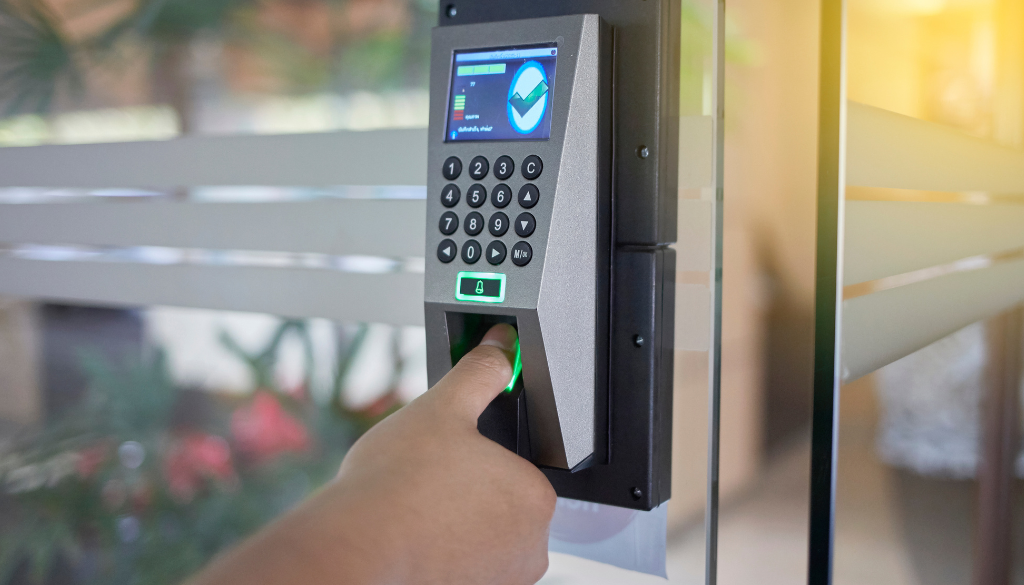
Authentication is one of the most visible forms of logical access control. It verifies a user’s identity before granting access. Common authentication methods include passwords, personal identification numbers, biometric scans, and multi-factor authentication. Strong authentication reduces the likelihood that attackers can impersonate legitimate users. Weak authentication, on the other hand, remains one of the most common causes of security incidents.
Authorization is another critical component of logical access control. Once a user is authenticated, the system must determine what that user is allowed to do. Authorization enforces permissions based on roles, responsibilities, or predefined rules. For example, an employee may be allowed to view certain files but not modify them, while an administrator may have broader privileges. This ensures that access aligns with job requirements and minimizes unnecessary exposure.
Logical access controls also rely on identity management. Each user should have a unique identity within the system, allowing actions to be traced back to individuals. Shared accounts weaken accountability and make investigation difficult when incidents occur. Unique identities support monitoring, auditing, and compliance, ensuring that access and activity can be reviewed when needed.
Another important aspect of logical access control is session management. This includes controlling how long sessions remain active, what happens when a user is idle, and how systems respond to repeated authentication failures. Automatic logouts, account lockouts, and timeout settings reduce the risk of unauthorized access, especially on shared or unattended devices. These controls may seem minor, but they play a significant role in reducing exposure.
Logical access controls must also adapt to changing environments. Users join and leave organizations, roles change, and systems evolve. Access reviews ensure that permissions remain appropriate over time. Without regular reviews, users may retain access they no longer need, increasing risk. Access management is not a one-time task, but an ongoing process that requires attention and discipline.
Human behavior strongly influences the effectiveness of logical access controls. Users may reuse passwords, choose weak credentials, or attempt to bypass restrictions for convenience. Security awareness training helps users understand why controls exist and how to use them responsibly. Logical controls work best when users cooperate rather than resist them.
From a security perspective, logical access controls support multiple goals. They protect confidentiality by limiting access to sensitive data. They support integrity by restricting who can make changes. They contribute to availability by preventing misuse that could disrupt systems. Together, these outcomes reinforce the core principles of cybersecurity.
For beginners, logical access controls provide a clear example of how cybersecurity operates at a practical level. They demonstrate how policies are enforced through technology and how everyday actions, such as logging into a system, are governed by security rules. Understanding these controls builds a foundation for more advanced topics such as identity management and zero trust architectures.
In conclusion, logical access controls are essential for managing access in digital systems. They verify identities, enforce permissions, and support accountability across complex environments. By implementing strong logical access controls and maintaining them carefully, organizations reduce risk and protect their digital assets in an increasingly connected world.
Curious to learn more? Continue your learning journey by purchasing the book from the provided link:
Get to know the author behind the words—visit