
Physical Security Controls Explained
When people think about cybersecurity, their attention usually turns to software, networks, and digital threats. However, one of the most fundamental layers of security exists in the physical world. Physical security controls protect the tangible components of an organization’s environment, such as buildings, equipment, and infrastructure. Without strong physical security, even the most advanced digital defenses can be bypassed. Understanding physical security controls helps clarify why cybersecurity begins long before data reaches a computer screen.
Physical security controls are designed to prevent unauthorized physical access to facilities, systems, and resources. These controls ensure that only approved individuals can enter sensitive areas or handle critical equipment. Servers, network devices, backup systems, and workstations all exist in physical locations. If attackers gain physical access to these assets, they may bypass logical controls entirely, making physical security a critical foundation for digital protection.
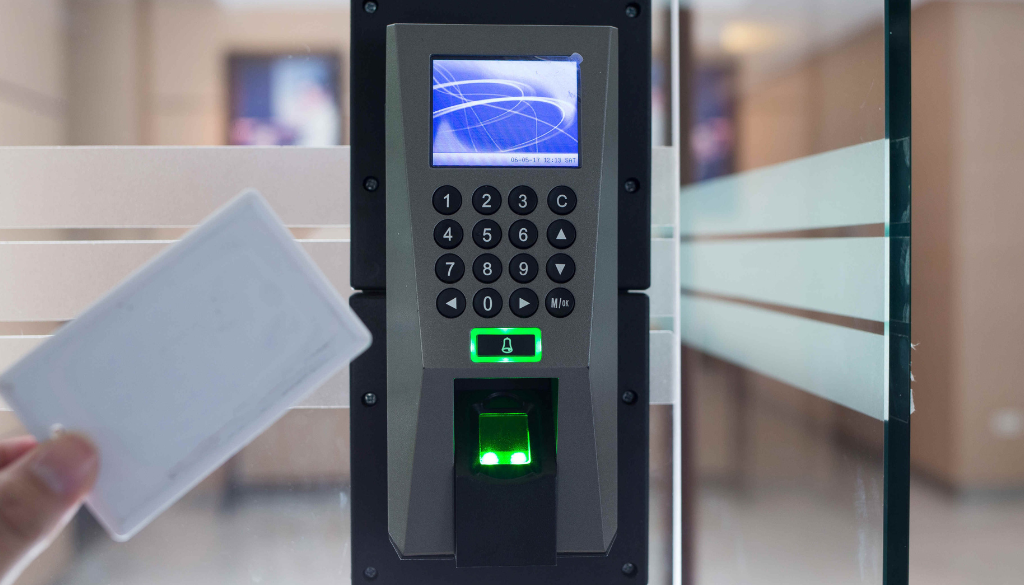
Common physical security controls include locks, access cards, biometric scanners, and security guards. These measures regulate who can enter specific areas, such as server rooms or offices containing sensitive information. For example, a badge-based access system ensures that only authorized employees can access restricted areas. Biometric controls add another layer by verifying physical characteristics, reducing the risk of stolen or shared credentials.
Surveillance is another important physical control. Cameras and monitoring systems help detect and deter unauthorized activity. They provide visibility into what happens within facilities and support investigations when incidents occur. The presence of surveillance alone can discourage malicious behavior, while recorded footage offers valuable evidence if security is breached. Surveillance supports accountability and reinforces other physical controls.
Environmental controls also play a key role in physical security. Fire suppression systems, temperature controls, and power protection help safeguard equipment from non-human threats. Fires, floods, power outages, and overheating can damage systems just as severely as cyberattacks. By protecting infrastructure from environmental hazards, organizations ensure the availability and reliability of their digital services.
Physical security is closely tied to access management. Visitors, contractors, and third-party vendors often need physical access to facilities. Without proper controls, these access points can introduce risk. Visitor logs, escorts, and temporary access badges help manage this risk by ensuring access is limited, monitored, and time-bound. Clear procedures reduce the likelihood of accidental or intentional misuse.
Another often overlooked aspect of physical security is device protection. Laptops, portable storage devices, and mobile phones can be lost or stolen, exposing sensitive data. Physical controls such as secure storage, cable locks, and clear desk policies reduce these risks. These measures may seem simple, but they are highly effective in preventing data exposure caused by physical theft.
Physical security controls also support incident response and investigation. When a security incident occurs, physical access logs and surveillance footage help reconstruct events. Knowing who entered a facility and when can provide critical context for understanding how an incident happened. This information complements digital logs, creating a more complete picture of security events.
It is important to recognize that physical security controls do not work in isolation. They must align with administrative and technical controls. Policies define who should have access, technical systems enforce permissions, and physical controls ensure that access is restricted in the real world. Weakness in any one layer can undermine the others. For example, strong passwords offer little protection if an attacker can physically access a logged-in workstation.
For beginners in cybersecurity, physical security provides an important lesson: security is layered and holistic. Protecting information requires attention to people, processes, technology, and physical environments. Ignoring physical security creates blind spots that attackers can exploit with ease.
In conclusion, physical security controls are a vital part of effective cybersecurity. They protect facilities, equipment, and infrastructure from unauthorized access and environmental threats. By securing the physical foundation of digital systems, organizations strengthen overall security and reduce risk. Cybersecurity does not begin with code or networks; it begins with controlling physical access to the assets that support the digital world.
Curious to learn more? Continue your learning journey by purchasing the book from the provided link:
Get to know the author behind the words—visit