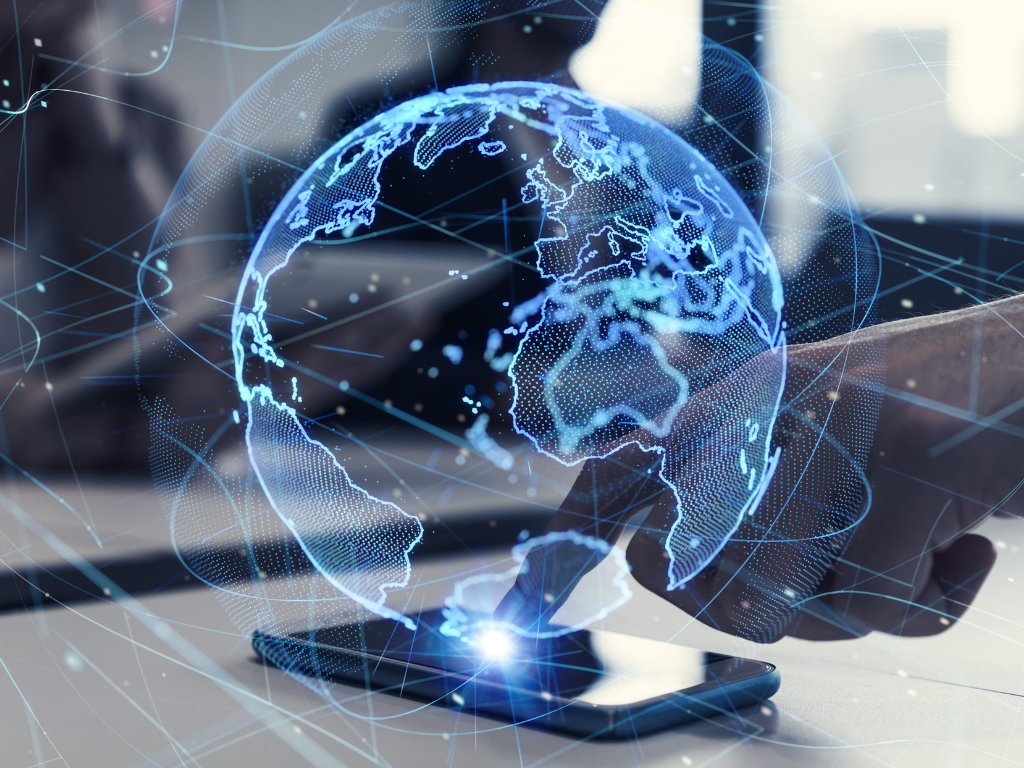
The internet is one of the most powerful inventions in human history. It has changed how we communicate, learn, work, shop, think, travel, build relationships, run businesses, and understand the world around us. What started as a network for researchers and institutions has now become a part of everyday human life.
Today, the internet is not just a tool. It is an environment. People live, work, study, earn, express themselves, and build identities through it. A student can learn from a teacher sitting on another continent. A small business can sell products globally. A family can remain connected across countries. A patient can consult a doctor online. A writer can publish ideas without waiting for a traditional publisher.
But like every powerful technology, the internet has both positive and negative effects. It has opened doors to opportunity, but it has also created new risks. It has connected people, but it has also exposed them to scams, misinformation, cyberbullying, privacy loss, addiction, fraud, and identity theft.
Understanding the impact of the internet is important because the internet is no longer separate from real life. It shapes real decisions, real relationships, real businesses, and real consequences.
How the Internet Changed Communication
Before the internet became common, communication was slower and more limited. People used letters, landline phones, newspapers, radio, television, and face-to-face meetings. Long-distance communication was expensive and often delayed.
The internet changed this completely.
Email, messaging apps, video calls, social media, forums, and collaboration platforms made communication instant. A person in India can speak to someone in Ireland, America, Japan, or Australia within seconds. Families separated by migration can remain emotionally connected. Businesses can coordinate teams across time zones. Students can attend online classes from home.
This speed has made life easier, but it has also created pressure. People are expected to respond quickly. Work messages can follow employees after office hours. Personal boundaries can become weak. The same connectivity that brings people closer can also make them feel constantly available.
So, the internet improved communication, but it also made digital balance necessary.
Impact on Education
Education is one of the biggest areas transformed by the internet. Earlier, learning depended heavily on physical classrooms, textbooks, libraries, and local teachers. Today, knowledge is available online in many forms: articles, videos, courses, webinars, podcasts, research papers, tutorials, and digital libraries.
This has helped millions of people learn skills that may not be available in their local environment. A student can learn programming, cybersecurity, writing, design, mathematics, language, business, or science from online resources. Professionals can upgrade their skills without leaving their jobs. People from small towns can access world-class learning material.
The internet has also made self-learning more powerful. A motivated person can now build a career by using free or affordable online resources.
However, online education also has challenges. Not all information online is accurate. Some courses make false promises. Students may struggle with distraction. Poor internet access can create inequality. People who do not have devices or stable connectivity may fall behind.
The internet has made education more open, but it has also made digital literacy essential. Learning online is not only about access. It is about knowing which sources to trust.
Impact on Business and Economy
The internet has changed business forever. Earlier, most businesses depended on physical location, local advertising, and traditional customer reach. Today, even a small business can create a website, use social media, accept online payments, and reach customers across the world.
E-commerce, digital marketing, remote services, online banking, cloud platforms, and digital payments have created new business models. Many companies now operate completely online. Freelancers can work with international clients. Authors can publish books globally. Consultants can deliver services remotely. Cybersecurity companies can support clients across countries.
The internet has also reduced the cost of starting a business. A person no longer always needs a large office, expensive advertising, or a physical store to begin. A website, social media page, payment system, and good service can be enough to start.
But business on the internet also brings risk. Fake websites, online fraud, payment scams, data breaches, ransomware, phishing, and customer data theft are serious threats. A business that goes online must also think about cybersecurity, privacy, trust, and reputation.
The internet creates opportunity, but only secure businesses can sustain that opportunity.
Impact on Social Relationships
The internet has changed how people form and maintain relationships. Social media, dating apps, online communities, and messaging platforms allow people to meet others beyond their immediate surroundings.
This can be positive. People with shared interests can connect. Families can stay in touch. Communities can support each other. People who feel isolated can find groups where they feel understood.
But online relationships also carry risk. Fake profiles, romance scams, catfishing, emotional manipulation, cyberstalking, and blackmail are now common problems. Scammers often build trust slowly and then exploit emotions for money, private information, or explicit content.
The internet has made relationships easier to start, but harder to verify.
This is why people must be careful while interacting online. Trust should be built slowly. Personal information should not be shared too quickly. Money should never be sent to someone you have only met online. Private content should be protected. If something feels wrong, it should not be ignored.
Digital relationships are real in their emotional impact, but they must be handled with awareness.
Impact on News and Information
The internet changed how people consume news. Earlier, most people depended on newspapers, radio, and television. Today, news spreads instantly through websites, social media, messaging apps, and video platforms.
This has benefits. People can learn about events quickly. Independent journalists and citizens can share ground-level information. Important issues can gain public attention faster. Awareness campaigns can spread widely.
But the speed of online information also creates danger. False news, edited videos, misleading headlines, propaganda, and conspiracy theories can spread quickly. Many people share content without checking whether it is true.
Misinformation can damage reputations, influence elections, create panic, harm communities, and mislead people during emergencies.
The internet gave everyone the power to publish. But it also gave everyone the responsibility to verify.
A smart internet user should pause before sharing information. Check the source. Compare with trusted websites. Look for dates, context, and evidence. Not everything viral is true.
Impact on Privacy
Privacy is one of the biggest concerns created by the internet. Every online activity can leave a digital footprint. Websites, apps, social platforms, advertisers, and cybercriminals may collect data about users.
People often share more than they realize. Photos, locations, birthdays, family details, workplace information, opinions, habits, and contact details can all reveal personal patterns. This information can be used for targeted advertising, identity theft, stalking, phishing, and social engineering.
Privacy is not only about hiding something. It is about controlling what others know about you.
The internet has made personal data valuable. Because of this, users must protect their information. They should review privacy settings, avoid oversharing, use strong passwords, enable multi-factor authentication, and be careful with apps that request unnecessary permissions.
In the digital world, privacy is not automatic. It must be managed.
Impact on Cybercrime
The internet has created new opportunities for criminals. Cybercrime can happen without physical contact. A criminal sitting in one country can target a victim in another country through email, text messages, fake websites, social media, or malware.
Common internet crimes include phishing, online banking fraud, ransomware, identity theft, blackmail, investment scams, romance scams, fake job offers, fake shopping websites, and business email compromise.
Cybercriminals often do not need advanced hacking skills. Many attacks succeed because of human mistakes. A person clicks a fake link, downloads an attachment, shares a password, trusts a fake profile, or sends money under pressure.
This is why cybersecurity awareness is now important for everyone. Cybersecurity is not only for IT professionals. It is for students, parents, employees, business owners, senior citizens, and anyone using a connected device.
The internet has made life easier, but it has also made caution necessary.
Impact on Work Culture
The internet has changed how people work. Remote work, online meetings, cloud storage, project management tools, and digital collaboration platforms are now common. Teams can work together even when they are not in the same city or country.
This has created flexibility. People can work from home, reduce travel, collaborate globally, and manage tasks digitally. Companies can hire talent from different locations.
But remote work also brings challenges. Employees may feel isolated. Work-life balance may suffer. Organizations must secure remote access, devices, cloud accounts, and business data. A weak password or compromised laptop can create serious business risk.
The future of work will continue to depend on the internet. That means cybersecurity, digital discipline, and responsible work habits will become even more important.
Positive and Negative Impact Together
The internet is neither completely good nor completely bad. It depends on how people use it.
It can educate or mislead.
It can connect or manipulate.
It can build businesses or enable scams.
It can protect freedom or invade privacy.
It can create opportunity or create addiction.
It can empower people or expose them to harm.
The impact of the internet is powerful because it touches almost every part of life. The real question is not whether we should use the internet. The real question is how we should use it wisely.
Final Thoughts
The internet has changed society in ways that previous generations could hardly imagine. It has made communication faster, education wider, business easier, and information more accessible. It has given individuals a voice and businesses a global platform.
But it has also created new responsibilities. Every user must learn how to protect their identity, privacy, money, devices, and reputation. Every business must secure its systems and customer data. Every parent must guide children toward safer digital habits. Every professional must understand that online behavior has real-world consequences.
The internet is a gift when used wisely. It becomes a risk when used carelessly.
The best way forward is not fear. It is awareness. Learn how the internet works. Understand the risks. Build safe habits. Verify before trusting. Think before clicking. Protect before sharing.
The internet connects the world, but cybersecurity protects the people living in that connected world.
To know more about Anand Shinde and his work in cybersecurity, awareness, and books:
https://anandshinde.com/
Have knowledge, experience, or a powerful idea you want to turn into a book? Get your book published with DevOM Publishing:
https://www.devompublishing.com/index.php
If your business needs cybersecurity services, digital risk guidance, or protection against modern online threats, visit CyberPrysm:
https://cyberprysm.com/
Use the internet for growth, learning, and connection — but never forget to use it safely.