Cybersecurity Awareness Month is a timely reminder that digital safety is no longer only the responsibility of IT teams, security professionals, or large organizations. It is now a responsibility shared by everyone who uses the internet, mobile phones, cloud services, social media, online banking, email, digital payments, or connected devices.
Every year, October brings renewed attention to cybersecurity awareness. But awareness today must be different from the old style of security training. It cannot be limited to posters saying “use strong passwords” or “do not click suspicious links.” Those messages are still useful, but the threat landscape has changed. Cybercriminals now use artificial intelligence, deepfakes, fake profiles, QR codes, cloud abuse, business email compromise, ransomware, social engineering, and highly targeted scams.
Modern cybersecurity awareness must therefore become more practical, more human, and more connected to daily life.
The purpose of Cybersecurity Awareness Month is not to create fear. It is to build safer habits. Just as people learn road safety, financial discipline, or personal hygiene, they must also learn digital safety. The internet is now part of work, education, business, family life, and personal identity. Protecting it begins with awareness.
Why Cybersecurity Awareness Still Matters
Many cyber incidents begin with a simple human action. Someone clicks a fake link. Someone shares a password. Someone approves an unexpected login request. Someone downloads an infected file. Someone trusts a fake caller. Someone sends money after receiving an urgent message.
This does not mean people are careless or foolish. It means attackers understand human psychology. They use urgency, fear, curiosity, authority, greed, kindness, loneliness, and confusion. They know that a busy employee may not carefully inspect an email. They know that a student may click a free download link. They know that a senior citizen may trust a fake bank call. They know that a business owner may rush to pay a fake invoice.
Cybersecurity awareness helps people pause before acting. That pause can prevent serious damage.
Technology is important, but people remain the first and last line of defense. Firewalls, antivirus tools, email filters, and monitoring systems can reduce risk, but they cannot stop every scam. A trained and alert user can often detect something that technology misses.
Awareness turns ordinary users into active defenders.
Theme 1: Passwords Are Not Enough
For many years, password security was one of the main topics of cybersecurity awareness. It still matters. Weak and reused passwords continue to create risk. But the modern message must go further: passwords alone are not enough.
People often reuse passwords because it is convenient. They may use the same password for email, shopping, social media, banking, and work accounts. If one account is breached, attackers may try the same password everywhere. This technique is known as credential stuffing.
The better habit is to use strong, unique passwords for every important account. A password manager can help create and store them securely. This is much safer than writing passwords in notebooks, saving them in plain text files, or reusing the same password again and again.
Multi-factor authentication is also essential. MFA adds another layer of protection by requiring something more than a password, such as an authenticator app, code, biometric check, or security key.
However, people must also be aware of fake MFA requests. If you receive a login approval request that you did not initiate, deny it and report it. Attackers may try to tire users into approving access.
The modern message is simple: use strong passwords, but do not depend on passwords alone.
Theme 2: Phishing Has Become Smarter
Phishing remains one of the biggest cyber threats, but it has become more convincing. Earlier phishing emails often had spelling errors, strange formatting, and unrealistic stories. Today, attackers can create professional-looking messages that copy real brands, use correct language, and include personal details.
Phishing is no longer limited to email. It now appears through text messages, WhatsApp, social media, QR codes, fake job offers, online ads, collaboration tools, and voice calls.
This is why awareness must teach people to verify, not just observe.
A message may look real and still be fake. A logo may be copied. A sender name may be spoofed. A website may look professional. A caller may sound confident. A QR code may lead to a malicious page.
Before clicking, downloading, paying, or sharing information, users should ask:
- Was I expecting this message?
- Is the request urgent or emotional?
- Does the link match the official website?
- Is the sender address genuine?
- Can I verify this through another trusted channel?
A few seconds of verification can prevent account theft, financial fraud, malware infection, or data loss.
Theme 3: AI Is Changing Cybersecurity Awareness
Artificial intelligence is now part of cybersecurity awareness because attackers and defenders are both using it.
Attackers can use AI to write better phishing messages, create fake images, clone voices, generate fake videos, and automate scams. A fake email may sound like a real manager. A fake voice message may sound like a family member. A fake profile may look realistic. A fake customer support chat may seem helpful.
This means people must become more careful about digital trust.
In the AI age, seeing or hearing something is no longer enough. Verification matters more than ever. If a message asks for money, access, passwords, confidential data, or urgent action, verify through a known and trusted method.
Organizations should also train employees on AI-related risks. Staff should know not to upload sensitive company data into unapproved AI tools. They should understand that AI-generated answers may be wrong. They should learn how deepfakes can support fraud and impersonation.
AI is a powerful tool, but awareness must help people use it safely.
Theme 4: Personal Privacy Is Personal Security
Privacy is often misunderstood. Some people say, “I have nothing to hide.” But privacy is not about hiding wrongdoing. Privacy is about controlling what others know about you and how that information can be used.
Oversharing online can create security risk. Posting your location, travel plans, workplace details, family information, school names, birthdays, or daily routines can help scammers build targeted attacks.
For example, a criminal may use social media information to create a convincing phishing email. They may pretend to know you. They may mention your workplace, child’s school, or recent travel. This makes the scam feel real.
Privacy settings should be reviewed regularly. Social media profiles should not expose unnecessary personal details. Apps should not be granted permissions they do not need. Users should think carefully before sharing photos, documents, identity details, or location data.
Personal data is valuable. Protecting privacy helps protect identity, money, reputation, and safety.
Theme 5: Cybersecurity at Home
Cybersecurity awareness should not stop at the office. Home users face many risks too.
Children use online games, educational apps, video platforms, and social media. Parents use banking apps, shopping websites, and messaging services. Senior citizens may receive scam calls or fake support messages. Families use smart TVs, home Wi-Fi, cameras, tablets, and connected devices.
Home cybersecurity begins with simple habits. Change default router passwords. Use strong Wi-Fi security. Keep devices updated. Install apps only from trusted sources. Teach children not to share personal information with strangers online. Be careful with gaming scams and fake giveaways. Use parental controls where appropriate.
Family conversations about cybersecurity are important. Children should feel comfortable reporting strange messages or online discomfort. Parents should guide without creating fear. The goal is not to stop digital life, but to make it safer.
A secure home is now part of a secure digital society.
Theme 6: Ransomware and Resilience
Ransomware continues to be a serious threat for businesses, schools, hospitals, and public services. Attackers may encrypt systems, steal data, and demand payment. The impact can include downtime, financial loss, privacy exposure, and reputational damage.
Awareness helps reduce ransomware risk because many attacks begin with phishing, malicious attachments, weak passwords, or unsafe remote access.
Employees should be trained to report suspicious emails quickly. Organizations should keep systems patched, restrict administrative access, monitor unusual activity, and maintain tested backups.
Backups are especially important. A backup that has never been tested may fail when needed most. Organizations should know how quickly they can restore critical systems and continue operations.
Cybersecurity Awareness Month should remind leaders that resilience is part of security. The question is not only “Can we stop attacks?” The question is also “Can we recover if an attack succeeds?”
Theme 7: Security Is Everyone’s Responsibility
One of the most important modern cybersecurity themes is shared responsibility. Security cannot be left only to the IT department.
Employees must report suspicious activity. Managers must support secure behavior. Executives must fund security programs. Developers must build secure applications. HR must support onboarding and offboarding. Finance teams must verify payment changes. Parents must guide children. Students must learn safe digital habits. Customers must protect their accounts.
Every person has a role.
This does not mean everyone must become a cybersecurity expert. It means everyone should understand the risks connected to their own digital behavior.
Cybersecurity is strongest when it becomes part of culture. A healthy security culture allows people to ask questions, report mistakes, and learn continuously. It does not shame users. It supports them.
Attackers work together. Defenders must work together too.
Practical Cybersecurity Habits for Awareness Month
Cybersecurity Awareness Month should lead to action. Awareness without action does not reduce risk.
Individuals can start with a simple checklist:
- Update important passwords.
- Enable multi-factor authentication.
- Review privacy settings.
- Update devices and apps.
- Back up important files.
- Remove unused apps.
- Be careful with links and attachments.
- Check bank statements.
- Teach children basic online safety.
- Report scams instead of ignoring them.
Organizations can also take practical steps:
- Run phishing simulations.
- Review incident response plans.
- Test backups.
- Update security policies.
- Train employees on AI-related risks.
- Review third-party access.
- Check privileged accounts.
- Patch high-risk systems.
- Improve reporting channels.
- Share simple security tips with staff.
Small actions, repeated consistently, create strong protection.
Making Awareness Human
The most effective cybersecurity awareness programs are human. They do not rely only on technical language. They explain real situations.
A student receiving a fake scholarship link.
A parent falling for a delivery scam.
An employee approving a fake MFA request.
A finance team receiving a fake invoice.
A business owner losing access to a social media page.
A senior citizen receiving a fake bank call.
These examples help people understand that cyber risk is not abstract. It is personal and practical.
Awareness should be simple, relatable, and repeated often. People remember stories better than policies.
Cybersecurity education should empower people, not embarrass them.
Final Thoughts
Cybersecurity Awareness Month is more than a calendar event. It is a reminder that digital safety must become a daily habit.
Modern cybersecurity awareness must cover passwords, MFA, phishing, AI scams, privacy, home security, ransomware, resilience, and shared responsibility. The goal is not to make everyone afraid of technology. The goal is to help people use technology wisely.
The digital world is full of opportunity. It helps us learn, work, shop, communicate, publish, create, and grow. But opportunity must be protected with awareness.
Cybersecurity begins with one simple action: pause before you trust.
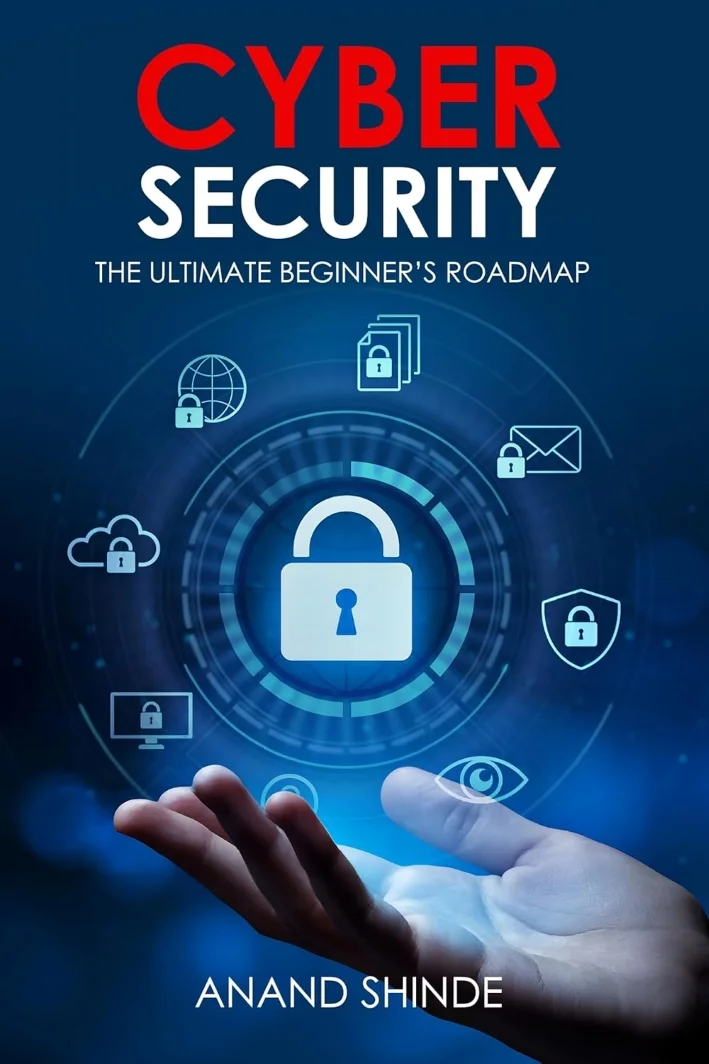
To know more about Anand Shinde and his work in cybersecurity, awareness, and books:
https://anandshinde.com/
Have knowledge, experience, or a practical guide you want to turn into a book? Get your book published with DevOM Publishing:
https://www.devompublishing.com/index.php
If your business needs cybersecurity awareness training, phishing defense, security strategy, or protection against modern threats, visit CyberPrysm:
https://cyberprysm.com/
Cybersecurity Awareness Month starts in October, but safe digital habits should continue every day.