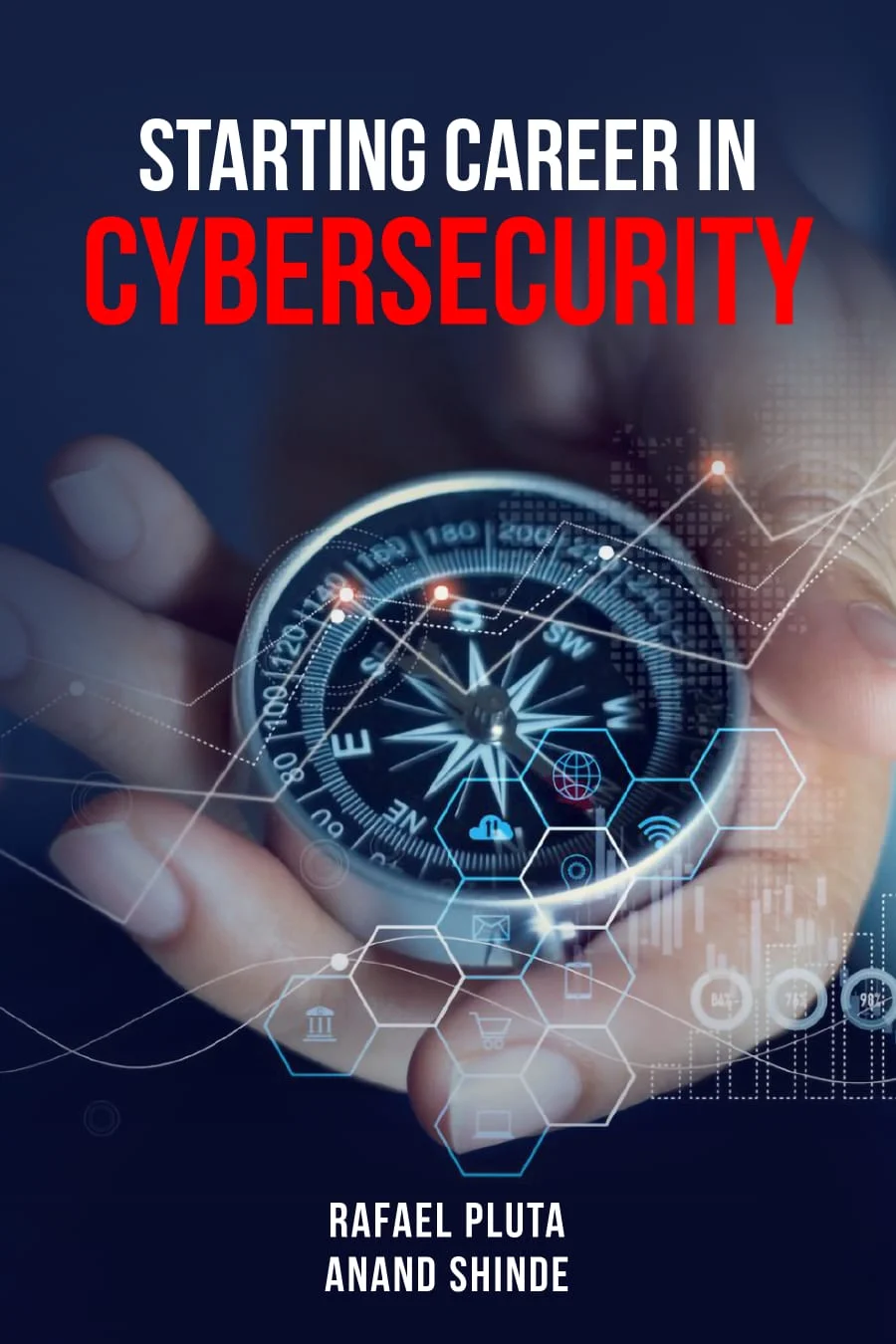

Marks are important, but marks alone are no longer enough. In today’s competitive academic and professional world, students need more than exam results to show their capability. They need proof of skills, curiosity, discipline, practical exposure, and willingness to learn. This is where a student portfolio becomes extremely valuable.
A student portfolio is a collection of work that shows what a student can actually do. It may include projects, certificates, internships, presentations, research work, writing samples, technical work, volunteering experience, competition participation, and personal achievements. In simple words, it is a practical record of learning.
For many years, students focused mostly on grades, degrees, and entrance exams. These still matter, but colleges, employers, scholarship panels, and internship providers are increasingly interested in practical evidence. They want to know whether a student has explored, built, practiced, participated, and applied knowledge beyond textbooks.
A good portfolio tells a story. It says, “This is what I have learned. This is what I have tried. This is what I can do. This is where I am growing.”
Students who begin building their portfolio early enter admissions, internships, interviews, and career planning with more confidence.
What Is a Student Portfolio?
A student portfolio is a structured collection of a student’s academic, skill-based, and practical work. It can be digital or physical, but today a digital portfolio is more useful because it can be shared easily with colleges, employers, mentors, and professional networks.
A portfolio may include school projects, college assignments, online course certificates, internship letters, coding projects, design samples, articles, videos, research summaries, presentations, event participation, volunteering work, and achievements.
The purpose is not to show perfection. The purpose is to show progress.
A student portfolio should reflect learning, effort, and direction. It should help others understand what the student is interested in and what kind of work they are capable of doing.
For example, a student interested in cybersecurity may include basic networking notes, phishing awareness posters, a home lab project, a write-up on password safety, a certificate from a beginner security course, and a small project on securing a Wi-Fi router.
A student interested in writing may include blogs, book reviews, essays, editing samples, creative work, and publication attempts.
A student interested in business may include market research, business plan drafts, internship experience, event management work, and presentation decks.
Every portfolio should match the student’s direction.
Why Students Need a Portfolio
A portfolio helps students stand out. Many students may have similar marks, but their practical work can be different. A portfolio gives evidence of initiative.
It also helps students understand themselves. When students collect their work over time, they begin to notice patterns. They may discover that they enjoy research, design, public speaking, coding, writing, teaching, organizing events, or solving technical problems. This self-awareness can guide career decisions.
A portfolio is also useful during interviews. Instead of only saying, “I am interested in this field,” a student can show actual work. This makes the conversation stronger and more credible.
For admissions, a portfolio can support applications, especially for fields like design, technology, media, business, research, writing, social work, and entrepreneurship. For internships, it helps employers see practical interest even if the student has limited experience.
Most importantly, a portfolio builds confidence. Students who create work, complete courses, and participate in real activities feel more prepared for the future.
Projects: The Strongest Part of a Portfolio
Projects are one of the most powerful parts of a student portfolio because they show applied learning. A project proves that the student did not only read about a topic but tried to do something with it.
Projects do not always need to be complex. A beginner project can be simple but meaningful. What matters is clarity, effort, and learning.
A science student can create a model, experiment report, or research summary. A commerce student can prepare a basic business analysis, budget plan, or market study. A humanities student can write a social research report, interview summary, or awareness campaign. A technology student can build a small website, app, automation script, cybersecurity checklist, or data analysis project.
The project should include a short explanation: what problem was selected, what method was used, what was learned, what challenges came up, and what improvement can be done next.
This reflection is important because it shows maturity. Employers and colleges do not expect students to know everything. They appreciate students who can think, learn, and improve.
A good project section can make a portfolio much stronger than a long list of claims.
Certificates: Useful, But Not Enough Alone
Online certificates have become very common. Students can now take courses in AI, cybersecurity, communication, coding, finance, writing, digital marketing, design, project management, and many other areas. Certificates are useful because they show learning effort.
But certificates should not be collected blindly.
Some students make the mistake of completing many random courses without direction. This creates a long list but not a strong profile. A certificate is most valuable when it supports a clear interest or skill path.
For example, if a student wants to explore cybersecurity, they can begin with basic computer networking, cybersecurity fundamentals, Linux basics, privacy awareness, and ethical hacking foundations. If a student wants to enter digital marketing, they can focus on content writing, SEO basics, analytics, social media strategy, and branding.
Certificates should be organized in the portfolio by theme. Instead of listing everything randomly, students should show how each certificate supports their learning journey.
It is also important to remember that a certificate is not the same as skill. Students should try to apply what they learn through projects, internships, blogs, presentations, or practice exercises.
A certificate says, “I studied this.” A project says, “I used this.”
Internships: Real-World Exposure Matters
Internships are becoming extremely important because they expose students to real work environments. Even a short internship can teach communication, deadlines, teamwork, professionalism, reporting, responsibility, and workplace behavior.
Many students think internships are only for college students. But even school students can look for exposure opportunities such as volunteering, shadowing professionals, attending workshops, participating in community projects, or supporting small organizations with simple tasks.
Internships help students understand the difference between studying a subject and working in a field. A career may look attractive from outside, but real work includes discipline, deadlines, communication, problem-solving, and accountability.
Students should document internships properly in their portfolio. They should include the organization name, role, duration, responsibilities, tools used, tasks completed, skills learned, and outcomes.
If possible, they should also include work samples, supervisor feedback, or a completion letter. However, they must avoid sharing confidential company information. Professional ethics matter even at the student level.
An internship is not only about adding one line to a resume. It is about learning how the real world works.
How to Organize a Student Portfolio
A portfolio should be clear and easy to read. It should not look like a messy folder of random files.
Students can organize it into simple sections: introduction, career interest, education, projects, certificates, internships, achievements, skills, volunteering, and contact details.
The introduction should be short. It should explain who the student is, what they are interested in, and what they are trying to build.
The project section should include only meaningful projects, not every small classroom activity. Each project should have a short description and learning outcome.
The certificate section should include relevant certificates, preferably grouped by skill area.
The internship section should focus on experience and learning, not only the name of the organization.
The skills section should be honest. Students should not claim advanced skills if they only have basic exposure.
A good portfolio is not about making everything look big. It is about presenting real work clearly.
Digital Portfolio Options
Students can create a digital portfolio using simple tools. They can use a personal website, Google Drive folder, LinkedIn profile, GitHub, Behance, Notion page, PDF document, or blog site, depending on their field.
Technology students may benefit from GitHub because it shows code and projects. Design students may use Behance or a visual website. Writing students may maintain a blog or article collection. General students can create a well-structured PDF portfolio or a clean online page.
The digital portfolio should be professional. File names should be clear. Links should work. Personal information should be limited. Students should avoid sharing private documents such as identity cards, addresses, family details, or sensitive certificates publicly.
A digital portfolio should be easy to share, but also safe.
Common Mistakes Students Should Avoid
One common mistake is copying projects from the internet. This may look helpful in the short term, but it damages learning and credibility. Students should create original work, even if it is simple.
Another mistake is adding too many unrelated certificates. A focused portfolio is better than a crowded one.
Some students exaggerate their skills. This can create problems during interviews. It is better to honestly say “beginner,” “learning,” or “basic working knowledge.”
Students also forget to update their portfolios. A portfolio should grow over time. New projects, courses, internships, and achievements should be added regularly.
Another mistake is ignoring presentation. Even good work can look weak if it is poorly organized. Clear formatting, simple language, and proper structure matter.
A portfolio should show both skill and discipline.
The Role of Teachers and Parents
Teachers and parents can help students build portfolios by encouraging practical work. Schools can include project-based learning, presentations, competitions, skill workshops, and career guidance sessions.
Parents can support children by helping them explore interests, not by forcing them into only popular options. They can encourage reading, online courses, small projects, volunteering, and communication practice.
Teachers can help students reflect on their work. A project becomes more valuable when the student understands what they learned from it.
Portfolio building should not become pressure. It should become a natural record of growth.
Portfolio and Career Confidence
A strong portfolio gives students confidence because it shows visible progress. Instead of saying, “I do not know what I have done,” the student can look at their work and see development.
This confidence helps during interviews, admissions, internships, and career counselling. It also helps students make better decisions. They can see what they enjoyed, what they struggled with, and what they want to explore next.
A portfolio turns vague interest into visible evidence.
For example, a student saying “I like cybersecurity” is good. But a student showing a password awareness poster, a basic network diagram, a phishing prevention article, a beginner certificate, and a small lab project is much stronger.
Evidence builds credibility.
Final Thoughts
Building a student portfolio is one of the smartest steps students can take for their future. It helps them move beyond marks and show real learning. It encourages projects, certificates, internships, reflection, communication, and practical exposure.
A portfolio does not need to be perfect from day one. It should grow step by step. Students can begin with one project, one certificate, one write-up, one presentation, or one volunteering activity. Over time, these small efforts become a strong profile.
The future will reward students who can show what they know and what they can do.
Marks may open the door, but skills, projects, certificates, and internships help students walk through it with confidence.
To know more about Anand Shinde and his work in cybersecurity, career awareness, and books:
https://anandshinde.com/
Have knowledge, experience, or a practical guide you want to turn into a book? Get your book published with DevOM Publishing:
https://www.devompublishing.com/index.php
If your school, institution, or business needs cybersecurity services, digital safety guidance, or awareness programs, visit CyberPrysm:
https://cyberprysm.com/
Build your portfolio early. Show your work clearly. Let your projects, certificates, and internships speak for your future.