Modern organizations do not work alone. They depend on vendors, suppliers, software providers, cloud platforms, logistics partners, consultants, payment processors, open-source libraries, managed service providers, and many other third parties. This connected business model helps organizations move faster, reduce cost, and access specialized services. But it also creates a serious cybersecurity challenge.
A company may have strong internal security, but if one supplier is weak, attackers may still find a way in.
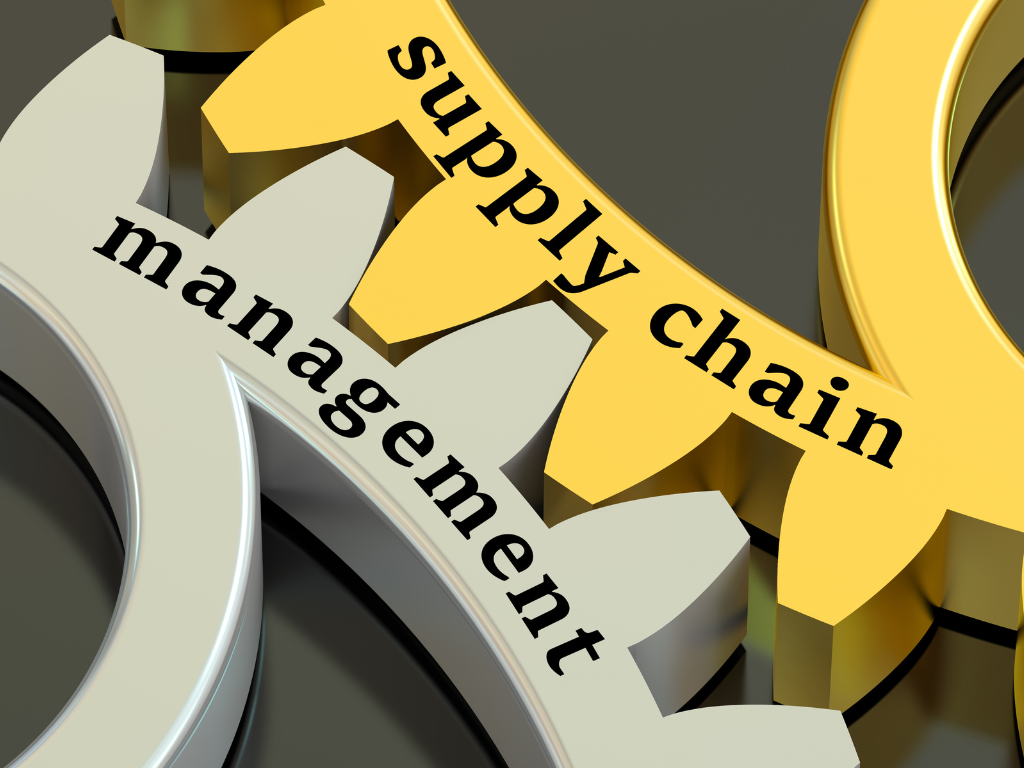
Supply chain risk management is the practice of identifying, assessing, monitoring, and reducing risks that come from third-party relationships and dependencies. In cybersecurity, this has become one of the most important areas of modern risk management. Attackers know that trusted partners often have access to systems, data, software, or business processes. Instead of attacking a well-protected organization directly, they may attack a smaller vendor, a software update, a cloud integration, or a service provider.
This is why supply chain security is no longer only a procurement issue. It is a cybersecurity, legal, compliance, operational, and business continuity issue.
A secure organization must understand not only its own systems, but also the risks that enter through the systems and services it trusts.
What Is Supply Chain Risk Management?
Supply chain risk management means understanding and controlling the risks that come from external dependencies. These dependencies may include vendors, contractors, software products, hardware components, cloud services, data processors, support providers, and business partners.
In cybersecurity, supply chain risk focuses on questions such as:
Who has access to our systems?
Which vendors process our data?
Which software components do we use?
What third-party tools are connected to our cloud platforms?
Can a supplier outage affect our business?
Can a vendor breach expose our customers?
Are our software updates trusted?
Do our partners follow secure practices?
The goal is not to avoid all third parties. That would be impossible for most organizations. The goal is to understand risk clearly and manage it properly.
Modern supply chain risk management requires visibility, governance, contracts, monitoring, incident planning, and continuous review.
Why Supply Chain Risk Has Increased
Supply chain risk has increased because organizations are more connected than ever. Cloud computing, SaaS platforms, APIs, outsourcing, remote work, automation, and software integrations have made business faster and more flexible. But they have also created more trust relationships.
A single organization may use hundreds of external tools. Some may store customer data. Some may connect to internal systems. Some may support authentication. Some may manage payments. Some may provide analytics. Some may provide software updates.
Every connection creates potential risk.
Attackers understand this very well. They may target a supplier because suppliers often have weaker security budgets, less monitoring, or more trusted access than they should. Once the supplier is compromised, the attacker may use that relationship to reach the real target.
This is why supply chain attacks can be so dangerous. They abuse trust.
Types of Supply Chain Cyber Risks
There are many types of supply chain cyber risks.
Vendor data breaches happen when a third party that stores or processes your data is compromised. Even if your own systems are safe, your customers or employees may still be affected.
Software supply chain attacks happen when attackers compromise software updates, open-source packages, build pipelines, or code repositories. Malicious code can then spread to many users.
Cloud and SaaS integration risks occur when third-party applications have excessive permissions to email, files, customer records, or business platforms.
Managed service provider risk is serious because MSPs often have administrative access to multiple client environments. If they are compromised, attackers may reach many organizations.
Hardware supply chain risk involves devices, components, firmware, or equipment that may contain vulnerabilities or tampering.
Business continuity risk occurs when a critical supplier suffers an outage, ransomware attack, financial failure, or operational disruption.
Each type of risk requires different controls, but the starting point is the same: know your dependencies.
The Importance of Vendor Inventory
An organization cannot manage supply chain risk if it does not know who its suppliers are.
A vendor inventory should list all important third parties, what service they provide, what data they handle, what systems they access, who owns the relationship, and how critical they are to the business.
This inventory should not be limited to large vendors. Small tools can create big risks. A small marketing plugin, support chatbot, analytics tool, or file-sharing service may still access sensitive data.
Organizations should classify vendors based on risk. A vendor that handles public marketing material is not the same as a vendor that stores customer identity documents or has access to production systems.
High-risk vendors should receive deeper review and stronger controls.
Visibility is the first control in supply chain security.
Vendor Due Diligence
Before working with a vendor, organizations should assess their security posture. This is called vendor due diligence.
Due diligence may include security questionnaires, policy reviews, certification checks, penetration test summaries, data protection controls, incident history, access requirements, business continuity plans, and privacy practices.
The depth of review should match the risk. A vendor with access to sensitive customer data should be reviewed more carefully than a vendor providing low-risk public information.
Important questions include:
Does the vendor use multi-factor authentication?
How do they protect customer data?
Do they encrypt data at rest and in transit?
Do they perform security testing?
Do they have an incident response plan?
How quickly will they notify customers after a breach?
Do they use subcontractors?
Where is the data stored?
How is access controlled?
The goal is not to create paperwork. The goal is to make informed decisions before trust is granted.
Contracts and Security Requirements
Contracts are an important part of supply chain risk management. A contract should clearly define security expectations, data protection obligations, breach notification timelines, audit rights, subcontractor controls, access requirements, and termination procedures.
If a vendor handles sensitive data, the contract should explain how that data must be protected, how it can be used, and what happens when the relationship ends.
Breach notification is especially important. Organizations need to know quickly if a vendor incident affects them. Delayed notification can increase damage and reduce response options.
Contracts should also cover data return or deletion after service termination. A vendor should not keep sensitive data forever without a business or legal reason.
Legal language cannot replace security controls, but it creates accountability.
Access Control for Third Parties
Many supply chain incidents become serious because third parties have too much access. Vendor access should follow the principle of least privilege. They should receive only the access needed to perform the agreed service.
Access should be time-bound where possible. Permanent vendor access should be avoided unless absolutely necessary. Administrative access should require strong authentication and monitoring.
Shared accounts should not be used. Every vendor user should have a unique identity so actions can be traced.
Access should also be reviewed regularly. If a vendor no longer needs access, it should be removed immediately. If a project ends, access should not remain open.
Third-party access is a doorway. Doorways must be controlled, monitored, and closed when no longer needed.
Software Supply Chain Security
Modern applications depend heavily on external code. Developers use open-source libraries, packages, frameworks, APIs, container images, and third-party components. This speeds up development, but it also creates risk.
A vulnerable or malicious dependency can affect the final application. Attackers may compromise package maintainers, publish fake packages, inject malicious code, or abuse build pipelines.
Organizations should use software composition analysis to identify dependencies and known vulnerabilities. They should protect code repositories with strong authentication and branch controls. Build pipelines should be secured. Secrets should not be stored in source code. Container images should be scanned before deployment.
A software bill of materials can help organizations understand what components are inside their applications.
Software supply chain security is now a core part of application security.
Continuous Monitoring
Vendor risk is not static. A vendor that was secure last year may become risky today. They may change ownership, adopt new subcontractors, suffer a breach, weaken controls, or expand access.
This is why supply chain risk management must be continuous.
Organizations should review critical vendors regularly. They should monitor security news, breach notifications, performance issues, compliance changes, and access logs. High-risk integrations should be monitored for unusual behavior.
Third-party access should be logged. If a vendor account logs in from an unusual location, downloads large amounts of data, or performs unexpected actions, security teams should investigate.
Trust should not mean blindness. Trust should be verified continuously.
Incident Response and Supplier Breaches
Organizations must prepare for supplier incidents. If a vendor is breached, the customer organization must know what to do.
The incident response plan should include supplier-related scenarios. Who contacts the vendor? Who assesses data exposure? Who disables integrations? Who informs customers or regulators? Who reviews logs? Who decides whether to suspend the service?
If the vendor provides a critical service, business continuity planning is also needed. What happens if the vendor is unavailable? Is there a backup process? Can operations continue manually? Are alternative suppliers available?
Supplier incidents can move quickly. Preparation reduces confusion.
A vendor’s crisis can become your crisis if you are not ready.
Supply Chain Risk and Business Leadership
Supply chain cybersecurity is not only a technical topic. Business leaders must be involved because vendor decisions often involve cost, speed, convenience, and risk.
A low-cost vendor may not be worth it if they expose sensitive data. A fast integration may create long-term security problems. A critical supplier without resilience planning can become a business continuity weakness.
Leadership should ask whether supplier risk is included in enterprise risk management. Boards and executives should understand which third parties are critical, what risks they create, and how those risks are being managed.
Cybersecurity teams should communicate supply chain risk in business language. Instead of only saying “the vendor has weak controls,” explain the impact: customer data exposure, service downtime, regulatory penalties, or operational disruption.
Good decisions require clear risk visibility.
Practical Steps for Organizations
Organizations can strengthen supply chain risk management through practical steps.
Create and maintain a vendor inventory.
Classify vendors based on risk and criticality.
Perform due diligence before onboarding.
Include security requirements in contracts.
Limit third-party access using least privilege.
Enable MFA for vendor accounts.
Monitor vendor access and integrations.
Review critical vendors regularly.
Secure software dependencies and build pipelines.
Prepare incident response plans for supplier breaches.
Remove access when vendors no longer need it.
These steps do not eliminate all risk, but they make supply chain risk visible and manageable.
Final Thoughts
Modern organizations depend on supply chains, and that dependency will only grow. Vendors, cloud platforms, SaaS tools, open-source software, consultants, and service providers help businesses operate faster and smarter. But every trusted relationship can also become a pathway for cyber risk.
Supply chain risk management is about understanding that trust must be managed. It is not enough to secure your own systems while ignoring the systems connected to you.
Organizations must know their vendors, control access, review software dependencies, write clear contracts, monitor continuously, and prepare for supplier incidents.
Cybersecurity is no longer limited to the boundary of one organization. It extends across the entire digital ecosystem.
To know more about Anand Shinde and his work in cybersecurity, awareness, and books:
https://anandshinde.com/
Have knowledge, experience, or a practical guide you want to turn into a book? Get your book published with DevOM Publishing:
https://www.devompublishing.com/index.php
If your business needs supply chain risk review, cybersecurity strategy, vendor security assessment, or protection against modern digital threats, visit CyberPrysm:
https://cyberprysm.com/
Modern business runs on trust. Modern supply chain risk management makes that trust safer.