The world of education and employment is changing quickly. Marks and degrees are still important, but they are no longer enough on their own. Employers now look for practical skills, digital confidence, communication ability, problem-solving, adaptability, and willingness to keep learning. Students who depend only on textbook knowledge may find it difficult to compete in a job market that is becoming more technology-driven.
This is where online skill learning becomes important.
Skill India Digital Hub is part of the larger movement to make skill development more accessible through digital platforms. It was launched as a platform for training, assessment, and certification, helping learners explore skill-based education in a more structured way. For students, this is a valuable opportunity because learning is no longer limited to classrooms, expensive institutes, or big cities.
A student from a small town, a college learner, a job seeker, or even a working professional can use online platforms to learn new skills, improve employability, and build confidence.
But students must understand one important point: online learning is useful only when it is taken seriously. Collecting certificates without real knowledge does not help. The goal should be skill development, not certificate decoration.
Why Skill-Based Learning Matters
The job market has changed. Earlier, many students believed that completing a degree was enough to get a good job. Today, employers often ask practical questions.
Can you use the required tools?
Can you communicate clearly?
Can you solve real problems?
Can you work in a team?
Can you learn new technology?
Can you show projects or proof of skills?
This is why skill-based learning matters. It helps students move from theoretical understanding to practical ability.
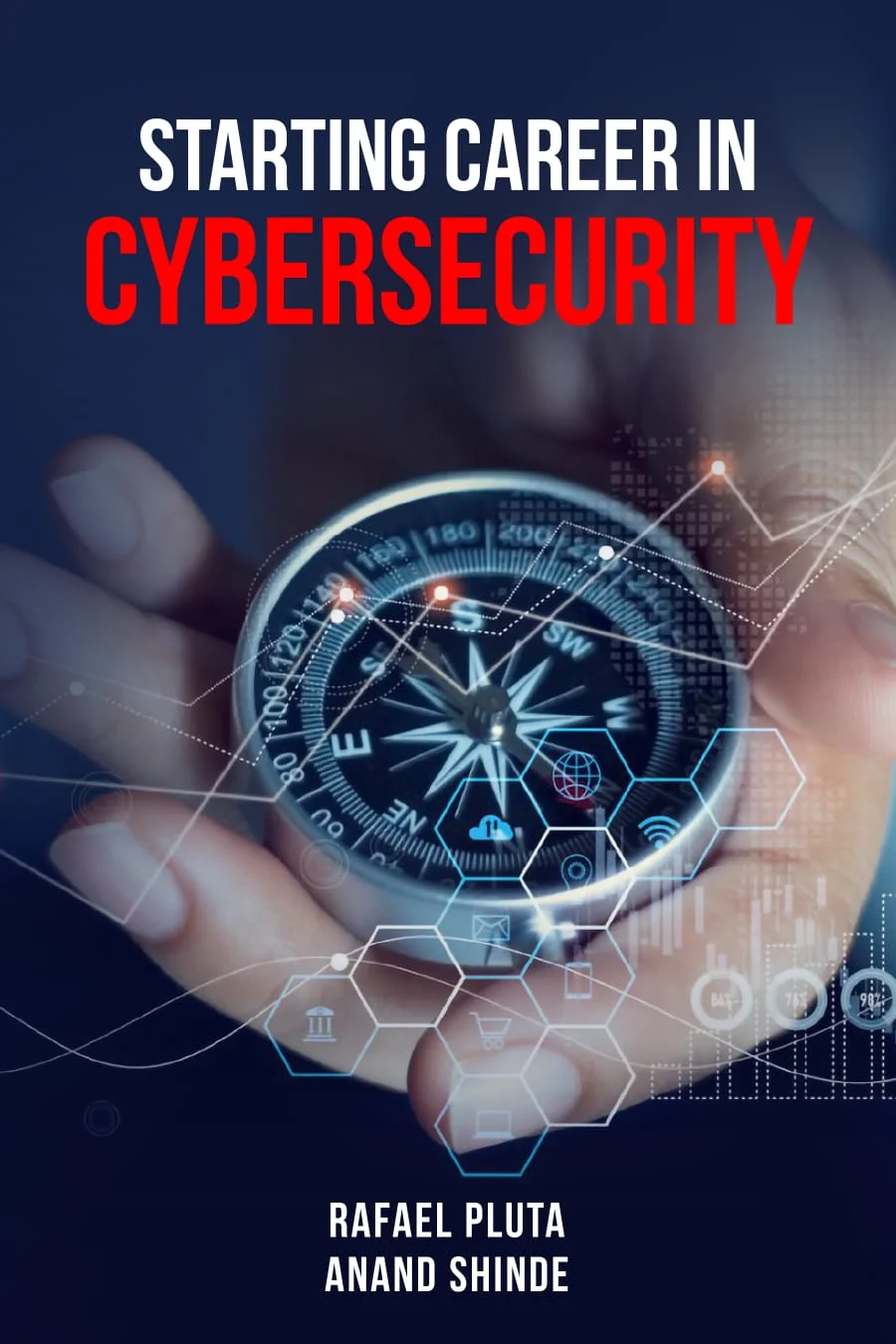
For example, a student interested in cybersecurity should not only know definitions. They should understand basic networking, passwords, phishing, malware, cloud risks, and safe digital practices. A student interested in digital marketing should not only read about marketing. They should understand content creation, analytics, search engines, social media planning, and customer behavior.
Skills make education useful.
A degree may open the door, but skills help students perform after entering.
What Is Skill India Digital Hub?
Skill India Digital Hub is designed to support digital learning, training, assessment, and certification. It aims to bring different skill development opportunities into one ecosystem so that learners can access courses and improve employability.
For students, the platform represents a broader idea: learning should continue beyond school and college textbooks. Students can explore vocational skills, technical skills, digital skills, industry-relevant courses, and certification pathways.
This is especially useful for students who are unsure about their career direction. They can explore different areas before committing fully. A student can try basic courses in IT, cybersecurity, AI, communication, entrepreneurship, healthcare, retail, finance, or other fields and then decide what interests them.
The platform can also support learners who cannot afford expensive training. Online learning reduces barriers and gives more students access to skill-building opportunities.
The important thing is to use the platform with purpose.
Employability Is More Than Qualification
Employability means the ability to get a job, keep a job, and grow in a career. It is not the same as simply having a qualification.
A student may have a degree but still struggle with interviews, communication, practical tasks, digital tools, teamwork, or workplace expectations. Another student may have average marks but strong practical skills, project experience, and confidence. Employers may prefer the second student if the role requires action and adaptability.
Modern employability includes several areas.
Technical skills help students perform job-specific tasks.
Digital skills help them work with modern tools.
Communication skills help them express ideas clearly.
Problem-solving skills help them handle challenges.
Professional attitude helps them work responsibly.
Learning ability helps them stay relevant as industries change.
Skill India Digital Hub and similar platforms can support these areas if students choose courses wisely and practice seriously.
Why Online Learning Is Powerful
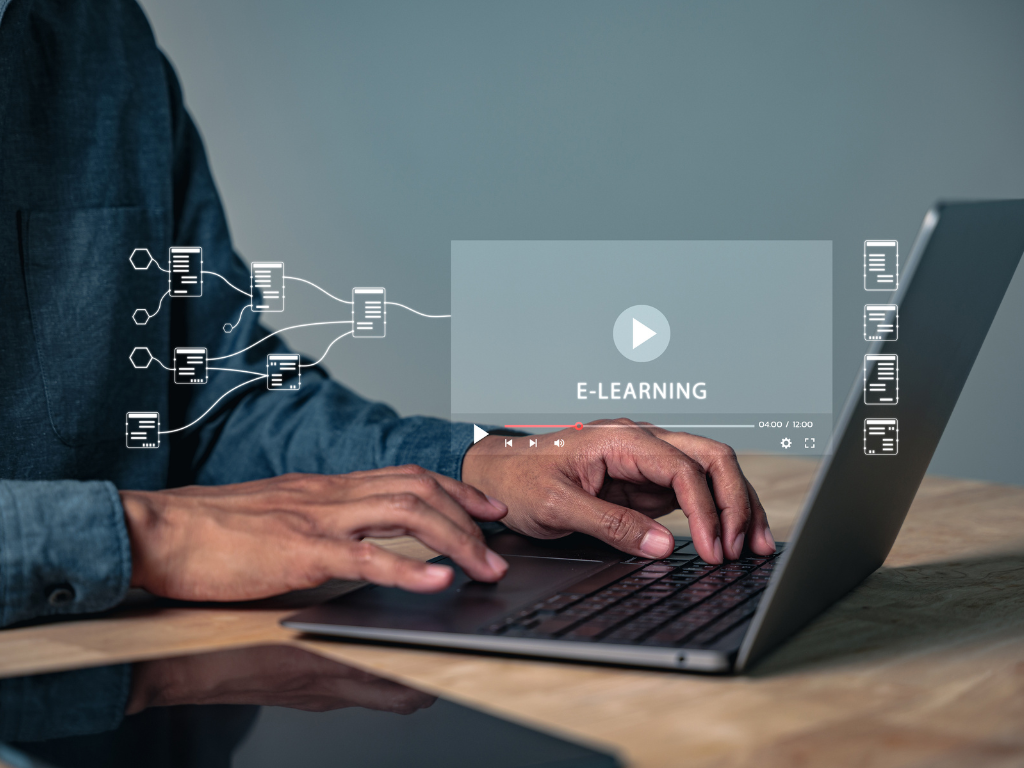
Online learning gives students flexibility. They can learn at their own pace, repeat lessons, explore different topics, and study from anywhere. This is helpful for students who may not have access to quality training centers nearby.
Online platforms also allow students to learn beyond their syllabus. A commerce student can learn data analytics. An engineering student can learn cybersecurity. A humanities student can learn digital communication. A science student can learn AI basics. A school student can begin exploring career options early.
This flexibility is powerful because careers are becoming interdisciplinary. A successful professional may need knowledge from multiple areas.
For example, cybersecurity is not only technical. It also needs communication, risk management, law, privacy, awareness, and business understanding. AI is not only coding. It also needs ethics, data understanding, domain knowledge, and responsible use.
Online learning allows students to build these combinations step by step.
Choosing the Right Courses
Students should not randomly enroll in many courses. They should choose courses based on interest, career direction, and current skill level.
A beginner should start with foundation courses. Jumping directly into advanced topics can create confusion. For example, a student interested in cybersecurity should begin with basic computer networking, internet safety, operating systems, and cybersecurity fundamentals before moving to advanced penetration testing or cloud security.
A student interested in AI should first understand basic digital skills, data, logic, and responsible AI use before trying advanced machine learning.
Students should ask themselves:
What career am I exploring?
What basic skills do I need first?
Is this course suitable for my level?
Will I practice after completing it?
Can I show what I learned through a project?
Will this skill help my future goals?
A good course should not only give a certificate. It should improve ability.
Certificates Are Useful, But Skills Matter More
Certificates can help students show that they completed a course. They can be useful for resumes, LinkedIn profiles, college applications, internship applications, and personal confidence.
But certificates alone are not enough.
Employers may ask practical questions during interviews. They may ask students to explain what they learned. They may ask for examples, projects, assignments, or real use cases. If a student only collects certificates without understanding, the weakness becomes visible quickly.
Students should treat every certificate as a starting point, not an ending point.
After completing a course, they should revise the topic, make notes, build a small project, explain the concept to someone else, or apply it in a practical example.
For example, after a cybersecurity awareness course, a student can create a phishing awareness poster, write a blog on password safety, or conduct a small awareness session for classmates. After a data course, a student can analyze a simple dataset and prepare a report.
Real learning becomes stronger when students apply it.
Building a Student Portfolio
A portfolio is a collection of work that shows what a student can do. It may include projects, certificates, reports, presentations, blogs, internships, competition participation, volunteer work, and practical exercises.
Skill-based courses become more valuable when added to a portfolio.
For example, a student interested in cybersecurity can include awareness articles, small lab exercises, security notes, basic network diagrams, phishing analysis examples, or privacy awareness content. A student interested in design can include posters, social media creatives, branding concepts, or website layouts. A student interested in business can include case studies, market research, budgeting exercises, or entrepreneurship ideas.
A portfolio helps students stand out because it shows effort beyond exams.
Students should start building portfolios early. They do not need to wait until final year. Even small projects can show curiosity and discipline.
A certificate tells people that you attended. A portfolio shows what you can actually do.
Digital Skills Are Now Basic Skills
Digital skills are no longer optional. Almost every career now requires some level of digital confidence.
Students should know how to use email professionally, prepare documents, create presentations, manage files, attend online meetings, search information properly, protect passwords, identify scams, use spreadsheets, and communicate online respectfully.
For many careers, additional digital skills are useful. These may include data analysis, coding basics, cloud awareness, cybersecurity awareness, digital marketing, AI tools, design tools, project management tools, and online collaboration platforms.
Skill India Digital Hub can help students explore such skills in a structured way.
Students who build digital confidence early will find it easier to adapt to college, internships, and employment.
Digital literacy is now part of career readiness.
Learning Discipline Is Important
Online learning requires discipline. In a classroom, teachers and schedules create structure. In online learning, students must manage their own time.
Many students enroll in courses but do not complete them. Some watch videos casually without taking notes. Some complete assessments only for certificates. This reduces the value of the learning.
Students should create a simple learning schedule. Even 30 to 45 minutes daily can make a difference if done consistently. They should take notes, revise, practice, and complete assignments honestly.
They should avoid multitasking while learning. Watching a course while scrolling social media will not build skill.
Learning online is easy to start, but discipline decides the result.
A serious learner can gain real value even from a free or low-cost course.
Role of Teachers and Career Counsellors
Teachers and career counsellors can help students use skill platforms properly. Many students do not know which courses to choose or how to connect skills with careers.
A career counsellor can help students identify interests, strengths, and future goals. Teachers can recommend relevant courses based on subject areas. Institutions can encourage students to complete skill programs, build portfolios, and present what they learned.
Schools and colleges should not treat skill learning as extra burden. They should connect it with employability.
For example, students can be asked to complete one skill course per semester and submit a short reflection. They can present a project based on the course. They can discuss how the skill connects with career options.
Guided learning is more effective than random learning.
Role of Parents
Parents also play an important role. Many parents focus mainly on marks because that is how education was traditionally measured. Marks are important, but today they are only one part of success.
Parents should encourage children to learn practical skills, explore careers, and use online platforms responsibly. They should not pressure children to collect certificates only for show. Instead, they should ask what the child learned and how they applied it.
Parents should also support safe digital habits. Students should use official platforms, protect passwords, avoid suspicious links, and not share personal documents with unknown sources.
A student’s learning journey becomes stronger when parents support curiosity, discipline, and practical growth.
Avoiding Common Mistakes
Students should avoid some common mistakes while using online skill platforms.
The first mistake is enrolling in too many courses at once. This creates confusion and reduces completion.
The second mistake is choosing advanced courses without basics.
The third mistake is completing courses only for certificates.
The fourth mistake is not practicing after learning.
The fifth mistake is not maintaining records of certificates and projects.
The sixth mistake is ignoring communication skills.
The seventh mistake is copying assignments instead of learning honestly.
Students should remember that skill-building is a long-term process. One course will not create a career overnight. But one course can start the journey.
Final Thoughts
Skill India Digital Hub represents an important opportunity for students to learn skills online and improve employability. It supports the idea that learning should be accessible, flexible, practical, and connected to real career needs.
Students should use such platforms seriously. They should choose courses wisely, complete them honestly, practice regularly, build portfolios, and connect learning with career goals.
The future belongs to students who combine academic education with practical skills. Marks, degrees, certificates, projects, communication, and digital confidence all work together.
Online skill learning is not a shortcut. It is a pathway. Students who walk that pathway with discipline can build better opportunities for themselves.
To know more about Anand Shinde and his work in cybersecurity, career awareness, and books:
https://anandshinde.com/
Have knowledge, experience, or a practical guide you want to turn into a book? Get your book published with DevOM Publishing:
https://www.devompublishing.com/index.php
If your school, institution, or business needs cybersecurity awareness, digital skills guidance, student career training, or protection against modern digital threats, visit CyberPrysm:
https://cyberprysm.com/
Skills turn education into employability. The students who learn continuously will be the students who move confidently into the future.